The First-Time Visitor
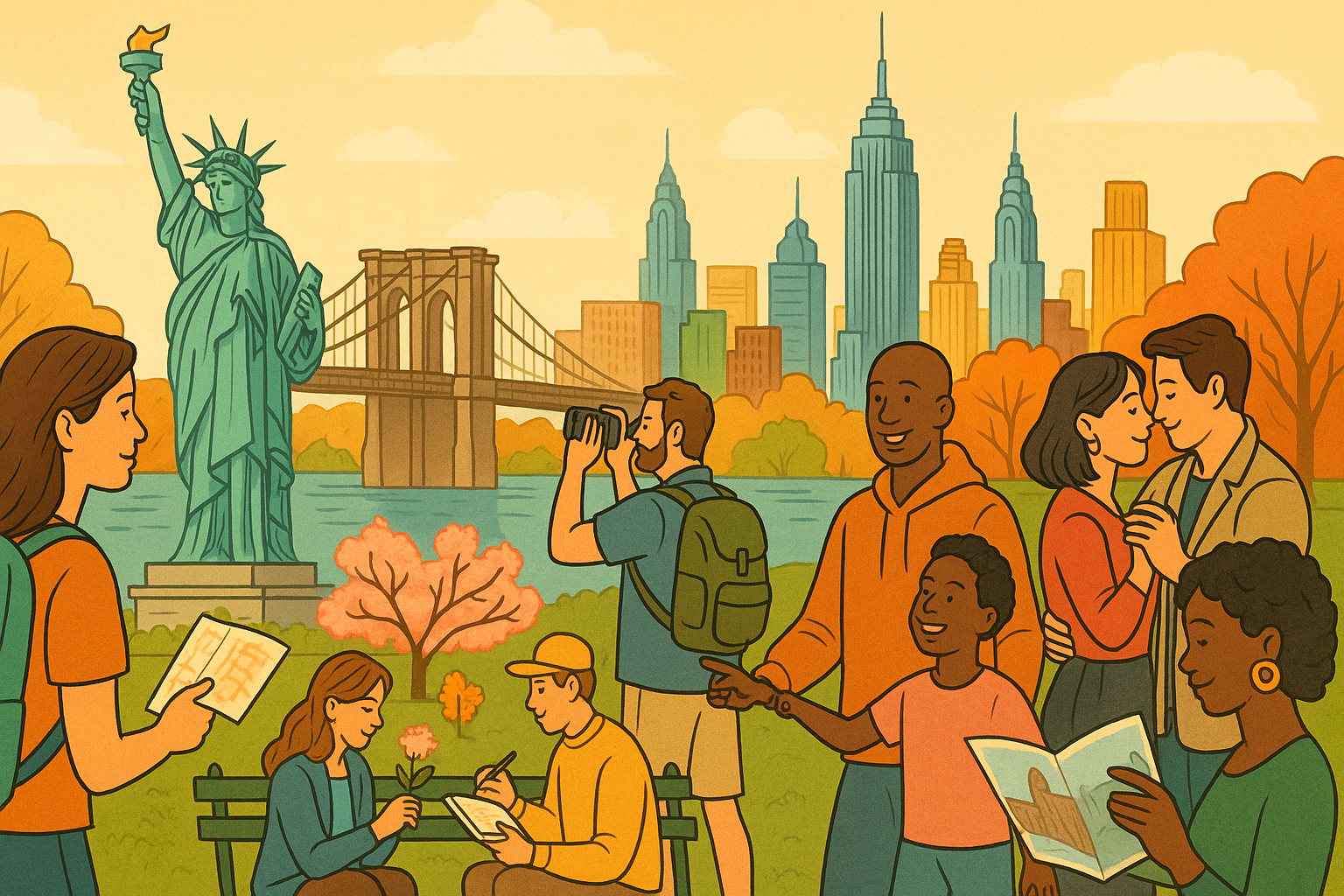
For those stepping into New York City for the first time, timing can make all the difference. The ideal seasons are late spring (April to June) and early fall (mid-September to October). During these months, the weather is comfortable for long walks, the parks are in full bloom or displaying autumn colors, and the city feels alive without the overwhelming heat or crowds of peak summer.
First-time visitors typically aim to experience the city’s essential landmarks: the Statue of Liberty, Central Park, the Empire State Building, the Brooklyn Bridge, and a Broadway show. Visiting during these shoulder seasons means shorter lines, clearer skies, and a pace that’s easier to enjoy. It also offers better opportunities for photographs, especially in parks and on observation decks, without battling through heavy tourist congestion.
Planning is key. Booking tickets for major attractions in advance and using passes like the CityPASS or Explorer Pass can save both time and money. Exploring by foot or subway provides the most authentic experience, and with milder weather, navigating the city becomes not just manageable but enjoyable.
The Culture & Arts Lover
For travelers drawn to museums, theater, galleries, and creative energy, New York City offers a deep well of inspiration year-round. However, the most rewarding times to visit are in the fall, particularly October, and again in the winter months of January and February.
Autumn is when the city’s cultural calendar hits its stride. The New York Film Festival draws international attention, and new theater productions debut across Broadway and Off-Broadway stages. Museums launch major exhibitions, and smaller venues throughout the city host art fairs, dance performances, and literary events. The weather is crisp, encouraging long days of gallery hopping followed by cozy dinners in artsy neighborhoods like Chelsea, the Lower East Side, or Fort Greene.
Winter, especially post-holidays, is less obvious but equally valuable. January and February bring budget-friendly perks, including Broadway Week, which offers two-for-one tickets to top shows. Museums are less crowded, giving visitors more space and time with world-class collections at institutions like The Met, the Whitney, and MoMA. The slower pace also means better odds of getting tickets to buzzed-about plays and pop-up performances.
For the culture-focused traveler, timing a visit around these seasons means a richer, more immersive experience of the city’s creative heartbeat.
The Nature & Outdoors Enthusiast
For those who crave green spaces, water views, and time spent outside, New York City offers far more than concrete and crowds. The best times to visit for outdoor exploration are late spring—particularly from late April to early June—and mid to late October.
Spring brings a sense of renewal. Parks across the city awaken with cherry blossoms, tulips, and new leaves. Central Park is at its most photogenic, the High Line fills with blooms and fresh air, and the Brooklyn Botanic Garden becomes a destination in itself. Temperatures are ideal for walking or biking across the city’s many bridges and greenways, and outdoor markets begin to reappear, offering local food and live music.
In the fall, the city transforms once again. October is peak foliage season, and Central Park, Prospect Park, and Riverside Park become havens of color. The air is cool, the skies are often clear, and it’s the perfect time for long walks, hikes through Inwood Hill Park or the Bronx’s Van Cortlandt Park, and scenic ferry rides along the East River or to Staten Island.
Nature-focused travelers will find that these shoulder seasons allow them to explore comfortably, with fewer crowds and more time to pause and take in the urban landscape. The city’s outdoor spaces, often overlooked by first-time tourists, reveal just how much natural beauty lives alongside the skyline.
The Festival & Nightlife Seeker
For those who thrive on energy, music, celebration, and the thrill of staying out late in a city that never sleeps, the best times to visit New York are June and December. These months represent two different sides of the city’s social calendar—one vibrant and carefree, the other glittering and theatrical.
June marks the peak of outdoor festival season. Pride Month electrifies the city with events, performances, and one of the world’s most iconic parades. Neighborhoods host street fairs, parks turn into concert venues, and rooftops buzz with sunset parties. Warm nights are made for bar hopping in the East Village, open-air DJ sets in Brooklyn, and sunset cruises with skyline views. The city is loud, expressive, and fully alive.
In contrast, December offers a more polished kind of nightlife. Holiday lights spill across entire avenues, storefronts transform into displays, and cocktail bars embrace seasonal decadence. This is the time for late-night jazz in dimly lit clubs, winter rooftop lounges with fire pits, and elegant parties that stretch into the early morning. Evenings are crisp but magical, with an energy that builds toward the New Year.
For the festival and nightlife traveler, choosing between summer spontaneity and winter spectacle depends on mood and style. Both offer immersive ways to experience the city—through crowds, music, light, and late hours that belong only to New York.
The Family Traveler
Families visiting New York City benefit most from planning around school breaks and kid-friendly seasonal events. The ideal windows are spring break, typically in April, and the winter holiday season from late November through December. Both periods offer activities that are engaging, memorable, and well suited for children of all ages.
Spring in the city provides comfortable weather for outdoor attractions and lighter crowds compared to summer. Families can enjoy the Central Park Zoo, take carousel rides, or visit the American Museum of Natural History without the full crush of tourist season. Parks are in bloom, boat rides in Central Park reopen, and playgrounds across the boroughs become lively, welcoming spaces. The city’s walkability is a major advantage, and many museums offer interactive exhibits designed specifically for younger audiences.
During the winter holidays, the city becomes a magical destination. The Rockefeller Center Christmas tree, decorated department store windows, and festive markets turn New York into a full sensory experience. Ice skating rinks open across the city, the Rockettes perform at Radio City Music Hall, and Macy’s Herald Square draws crowds with its seasonal displays. The city caters to families during this time, offering holiday trains, indoor play spaces, and themed shows.
While travel costs and crowds are higher during these periods, the payoff is worth it. With thoughtful planning—like booking ahead, choosing centrally located accommodations, and building in downtime—families can create meaningful, shared experiences in a city that’s both dynamic and surprisingly accommodating to children.
The Budget-Conscious Explorer
Travelers looking to experience New York City without overspending will find the best value in the winter months of January through early March. This is the city’s low season, when hotel prices drop significantly, airfare is often cheaper, and many attractions offer discounts or special promotions. Though the weather can be cold, the financial savings—and smaller crowds—make this an ideal time for visitors prioritizing cost over climate.
In these months, Broadway Week and NYC Restaurant Week offer two-for-one deals and prix-fixe menus, opening doors to experiences that might otherwise be out of reach. Museums tend to be quieter, and many offer pay-what-you-wish or free admission on specific days. Walking tours, neighborhood explorations, and cultural institutions like libraries, churches, and galleries remain accessible and low-cost year-round.
Public transit becomes an even greater asset for budget-conscious travelers. A single MetroCard unlocks the subway and bus systems, making it possible to navigate the city efficiently without taxis or rideshares. Affordable eats abound, from dollar-slice pizza joints to Chinatown dumpling houses, food trucks, and classic delis.
While winter weather demands warm clothing and a flexible schedule, the city’s indoor experiences—museums, markets, bookstores, and performances—more than compensate. With smart planning and a willingness to explore beyond the tourist core, budget travelers can enjoy a rich, memorable visit at a fraction of peak-season costs.
There is no single best time to visit New York City—only the best time for the kind of experience you’re seeking. The city shifts with the seasons, offering different moods, events, and advantages depending on who you are and what you want out of your trip.
First-time visitors benefit from shoulder seasons, when the weather is mild and the city is easier to navigate. Culture lovers will find the arts scene most vibrant in the fall and winter, while outdoor enthusiasts should look to spring blooms or fall foliage for the best nature experiences. If your trip revolves around nightlife and celebration, the city delivers in both the heat of summer and the sparkle of the holidays. Families will appreciate the structure and energy of school break periods, and budget-conscious travelers will get the most value by braving the winter off-season.
Ultimately, New York is a city that meets you where you are. Choose your time to visit not by the calendar alone, but by what version of the city you want to meet—and what version of yourself you want to bring to it.

ENY Where
ENY Where is a guide for the five boroughs of New York City.